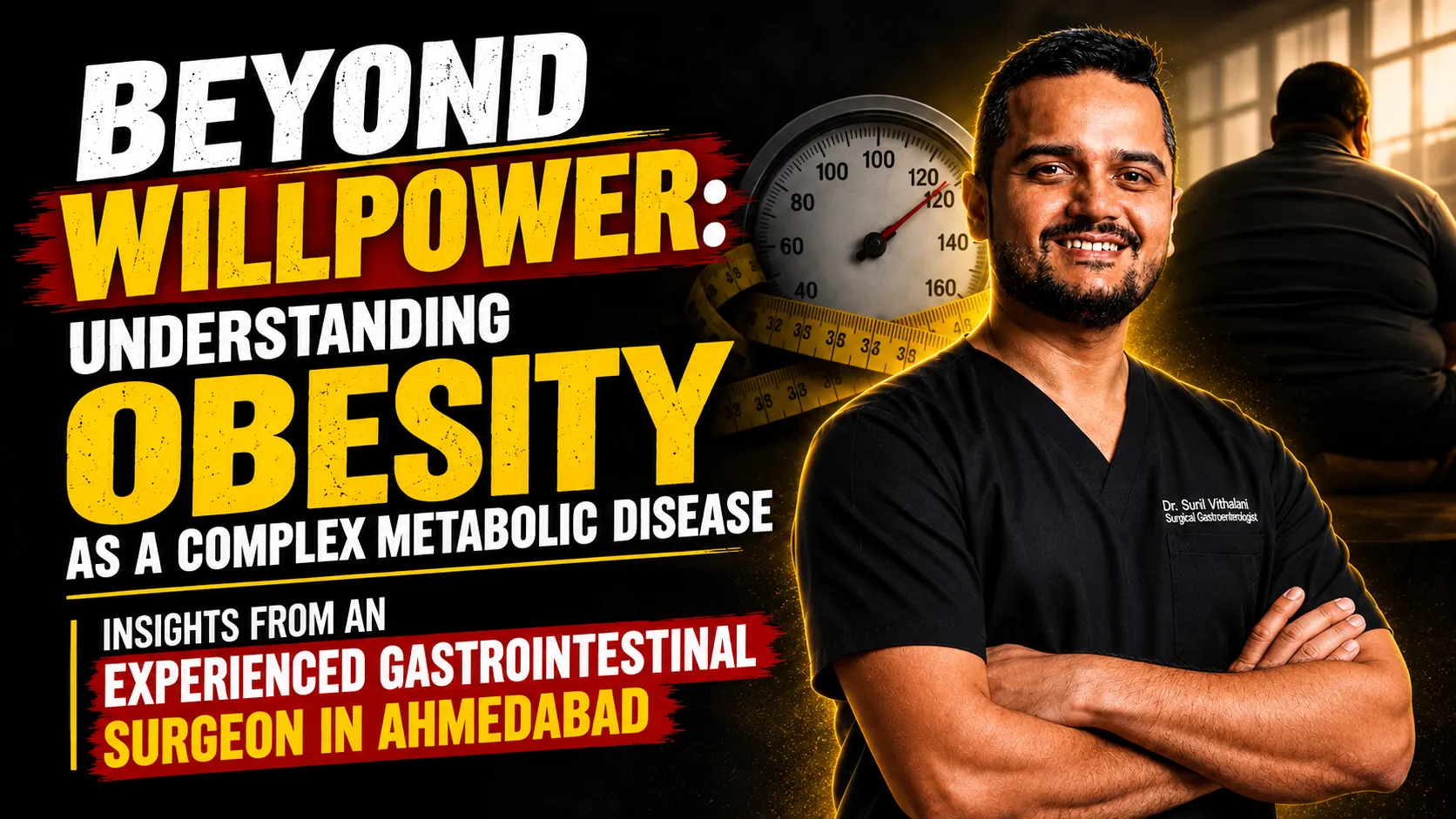
If managing obesity were truly that simple, we would not be facing a global health epidemic. For decades, weight management has been framed as a mere equation of calories in versus calories out, reducing a complex metabolic condition to a question of personal willpower.
However, modern medical science reveals a different reality: obesity is a chronic metabolic disease, not a character flaw or a lack of discipline. Telling someone with obesity to "just eat less" is as unhelpful and scientifically inaccurate as telling someone with high blood pressure to "just relax."
What is Obesity?
At its core, obesity is a multifactorial, chronic disease characterized by an excessive accumulation of body fat that impairs overall health. Rather than resulting solely from overeating, it stems from a complex interplay of internal and external biological factors:
Hormonal Regulation: Key hormones like leptin (which signals fullness) and ghrelin (which triggers hunger) regulate energy balance. In individuals with obesity, these signaling pathways often become disrupted, causing the body to actively fight against weight loss.
Genetics & Biology: Genetic predispositions significantly influence resting metabolic rate, fat distribution, and central appetite regulation.
Sleep, Stress & Environment: Chronic stress elevates cortisol levels, while sleep deprivation disrupts glucose metabolism—both of which promote fat storage and trigger cravings for dense, high-calorie foods.
When weight is lost through severe restriction alone, the body’s evolutionary survival mechanisms kick in: metabolism slows down, and hunger hormones surge to restore the initial weight set-point. This biological resistance explains why relying solely on willpower leads to frustration and weight regain.
The Role of Lifestyle Modifications
Dietary Adjustments: Choose nutrient-rich, high-fiber whole foods and reduce ultra-processed items to support gut health and metabolic signaling.
Physical Activity: Stay active to preserve lean muscle mass, improve insulin sensitivity, reduce visceral stress, and support cardiovascular health.
Healthy Habits: Prioritize quality sleep, manage daily stress, and build consistent routines for sustainable well-being.
Comprehensive Medical & Surgical Management
For many individuals, lifestyle changes provide a necessary foundation, but medical intervention is required to address deep-seated biological drivers. Consulting an experienced gastrointestinal surgeon in Ahmedabad or a metabolic specialist ensures a thorough assessment of gastrointestinal function and individualized care.
Depending on individual health profiles, clinical treatment options include:
Structured Behavioral & Medical Support: Partnering with clinical dietitians, endocrinologists, and behavioral therapists to establish personalized health regimens.
Anti-Obesity Pharmacotherapy: Targeted medical therapies that act on central hormonal pathways to regulate appetite, delay gastric emptying, and improve metabolic profiles.
Metabolic & Bariatric Surgery: For eligible candidates, surgical interventions alter digestive anatomy and neurohormonal gut signaling. Consultation with a specialist trained in advanced laparoscopic GI surgeon in Ahmedabad techniques or gastrointestinal robotic surgery in Ahmedabad offers minimally invasive pathways toward long-term weight reduction, metabolic reset, and resolution of co-morbidities like type 2 diabetes.
Advanced Gastrointestinal & Surgical Expertise in Ahmedabad
Comprehensive metabolic care requires specialized surgical expertise across complex abdominal, hepatobiliary, and digestive conditions. Providing precision surgical intervention and personalized care, our clinical practice delivers comprehensive gastrointestinal treatment:
Robotic & Laparoscopic Metabolic Surgery: Led by the best robotic GI surgeon in Ahmedabad, offering state-of-the-art procedures with faster recovery and minimal scarring.
Gallbladder & Biliary Care: Specializing in laparoscopic gallbladder stone surgery in Ahmedabad and advanced care as a robotic gallbladder surgery specialist in Ahmedabad.
Complex Hernia & Colorectal Procedures: Delivering precise, minimally invasive repairs as a robotic hernia surgeon in Ahmedabad and a dedicated robotic colorectal surgery specialist in Ahmedabad.
Liver & Pancreatic Surgical Care: Comprehensive management of complex hepatobiliary diseases by the best liver and pancreatic surgeon in Ahmedabad.
Surgical Gastro-Oncology: Advanced cancer management led by a top GI oncosurgeon in Ahmedabad, offering dedicated oncology care as a GI oncosurgeon for cancer treatment in Ahmedabad and a specialist pancreatic cancer surgeon in Ahmedabad.
Frequently Asked Questions (FAQs)
Q1: Why doesn't "eat less and move more" work for everyone?
A: Obesity alters the neuroendocrine feedback loops controlling hunger and metabolism. When calorie intake drops significantly, the body senses energy deficit and responds by reducing basal metabolic rate while spiking hunger hormones.
Q2: Is obesity considered a disease or a risk factor?
A: Leading health bodies—including the World Health Organization (WHO)—recognize obesity as a distinct, chronic disease as well as a major primary risk factor for type 2 diabetes, non-alcoholic fatty liver disease, cardiovascular conditions, and several GI malignancies.
Q3: Do anti-obesity medications replace the need for diet and exercise?
A: No. Medical therapies are designed to work synergistically with lifestyle adjustments by lowering biological barriers, reducing food noise, and enabling better compliance with nutritional plans.
Q4: Who should consider metabolic or bariatric surgery?
A: Surgical evaluation is typically recommended for individuals with higher BMI thresholds or those experiencing severe metabolic complications (such as poorly controlled diabetes or severe obstructive sleep apnea) when non-surgical methods have proven insufficient.
Q5: How can family and friends better support someone managing obesity?
A: Support loved ones by removing stigma, avoiding unsolicited diet advice, focusing on health parameters rather than cosmetic appearance, and engaging in healthy lifestyle habits together as a team.
Conclusion
Obesity is not simply a matter of personal willpower. It is a complex medical condition that benefits from compassionate, individualized, evidence-based care.
By understanding its biological causes and available treatment approaches, patients can make informed decisions focused on long-term health and quality of life.